High Tech Projects
Welcome to my project pages, a digital space where I consolidate knowledge and thoughts from my journey through various Research and Development endeavors. Think of this as my virtual 'thought closet'—a place where I store the myriad ideas and insights that are too precious to discard, yet too vast to keep solely in my mind.
Despite dedicating countless hours to reading, listening, and participating in lectures, I often find that my grasp of the engineering and scientific concepts related to these topics remains somewhat superficial. This 'closet' is an unorganized trove of information, and those who venture inside might find it a bit overwhelming.
Initially, these pages were my private repository, meant only for my eyes. But I've since decided to open this space to the public. Why? Because even in the complexity and clutter, there might be a gem that could enlighten someone else.
Never fear failure and keep Learning. Keep Moving Forward!
- updated January 2024 using GenAI

FEATURED PROJECTS

In the winter of 2023, I was captivated by the dazzling LED lighting projects online, reminiscent of "Blade Runner's" vivid cityscapes. This inspiration led me to revive my old 16x16 LED matrix and ESP32, propelling me into the realm of LED Matrix projects. Hours turned into hundreds as I delved into WLED and MoonModules projects, amazed by their advancement. Post-holidays, I eagerly assembled a 32x32 Matrix Pixel Art Frame, later upgrading to a certified WLED controller for safety. The result, "Hoshi", is a marvel at my desk, its lights dancing in sync with 60’s psychedelic music, a constant source of delight and curiosity, especially towards the innovative MoonModules project. This journey in LED art is just beginning, with much more to explore and learn.
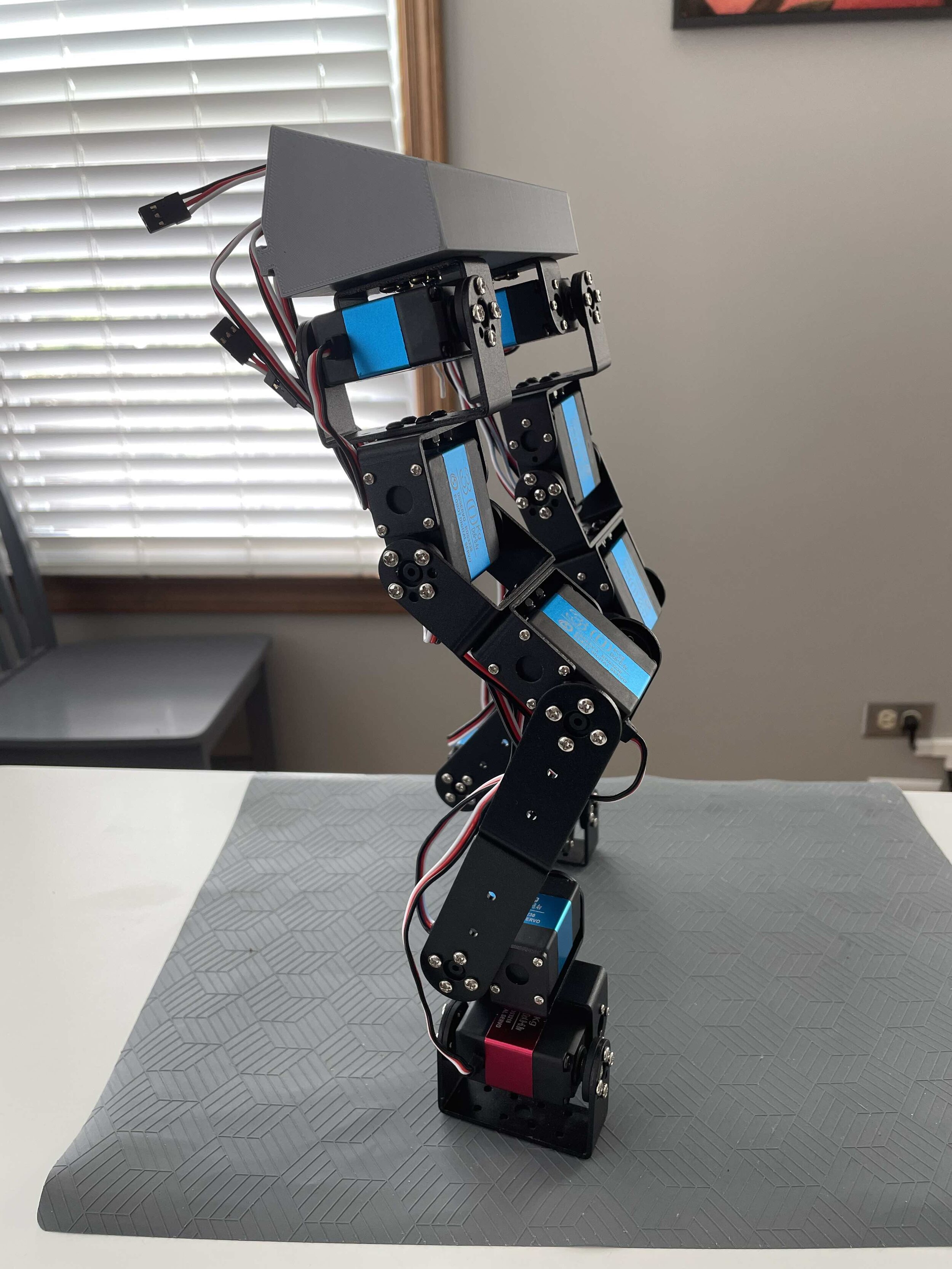
The blog post on TechnologyX2 discusses the author's decade-long experience with autonomous drone technology and biped (two-legged) humanoid robots. The focus is on a recent project involving a simple bipedal robot built with hobby servos and a 3-axis gyro sensor. This sensor helps the robot maintain balance by detecting angular changes and responding with compensatory movements. Inspired by advancements in robot soccer players and the Thousand Brains theory by Jeff Hawkins, the author aims to explore new theories and applications in robotics, starting with the basic construction of the robot's lower half using high torque servos. The project is seen as a long-term endeavor, continuing the author's exploration of AI and robotics. For more details, you can view the full post [here](https://www.technologyx2.com/blog_hightech/2021/6/6/project-bipedal-self-balancing-humanoid-robot-bare-metal-robot-using-hobby-servos).
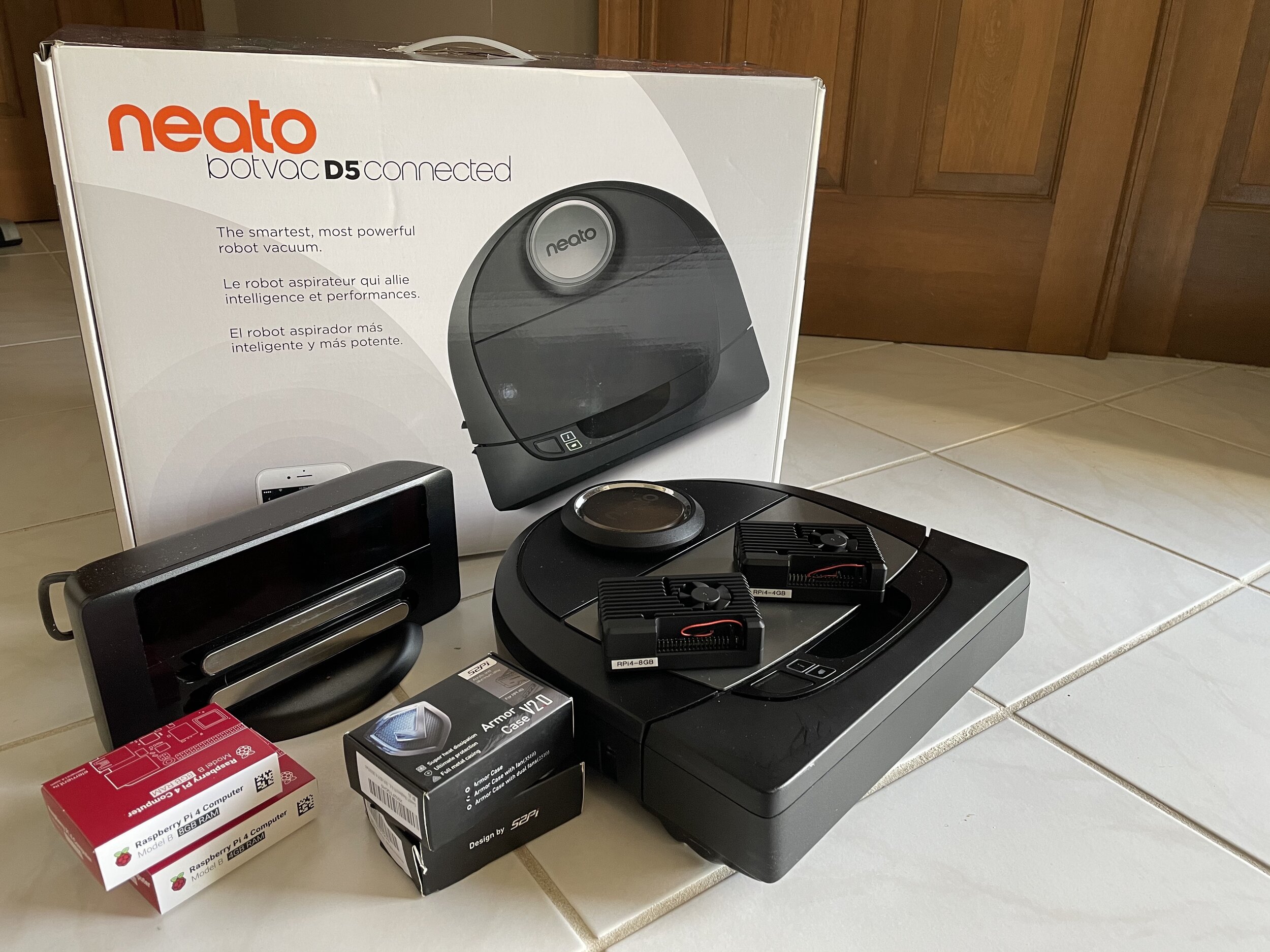
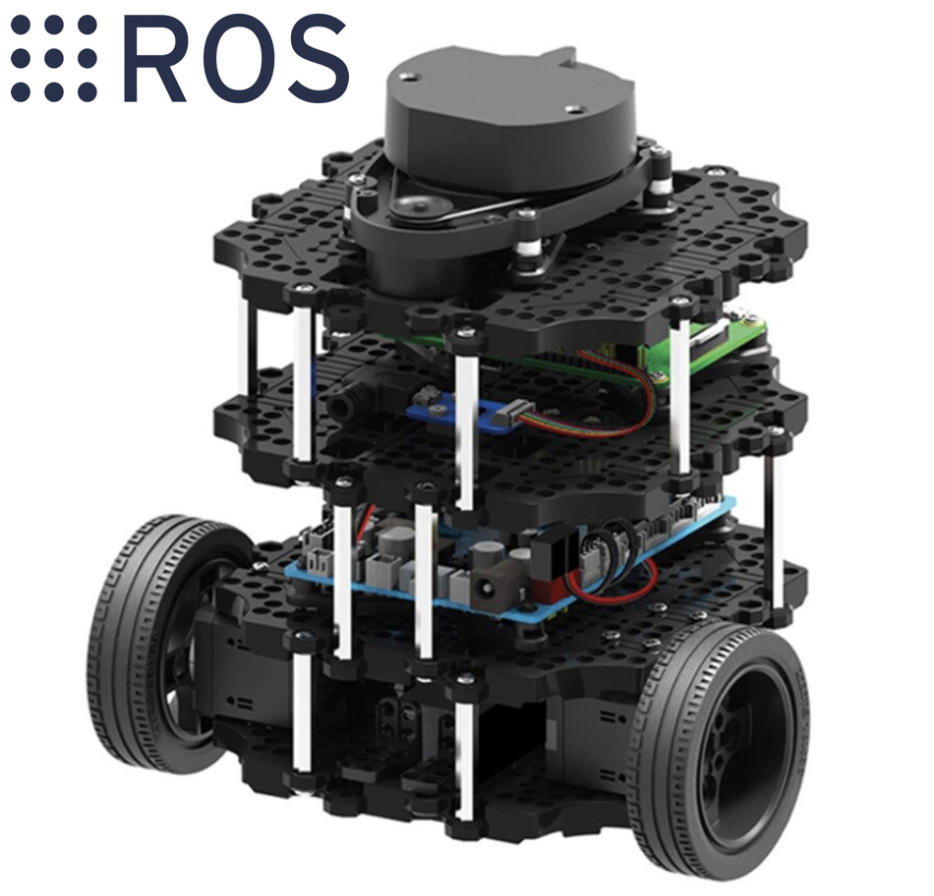
The blog post on Technology x2 details a project involving ROS2 (Robot Operating System version 2) and its application in a robotics project using the Neato BotVac D5 Connected Robot and a Raspberry Pi4 with 8GB RAM. The author discusses the advantages of ROS2, including improved module communication, Python3 support, and enhanced security. The project aims to enhance human-robot interaction with a focus on mobility, safety, and diverse communication methods. It involves customizing the Neato BotVac to house the Raspberry Pi4 and Arduino Mega, and setting up Linux Ubuntu with ROS2 on the Raspberry Pi4. The post also covers challenges and learning experiences encountered during the installation of ROS2 on the Raspberry Pi. For a detailed read, you can view the blog post [here](https://www.technologyx2.com/blog_hightech/2021/6/6/project-ros2-using-neato-botvac-d5-connected-robot-amp-raspberry-pi4-8bg).

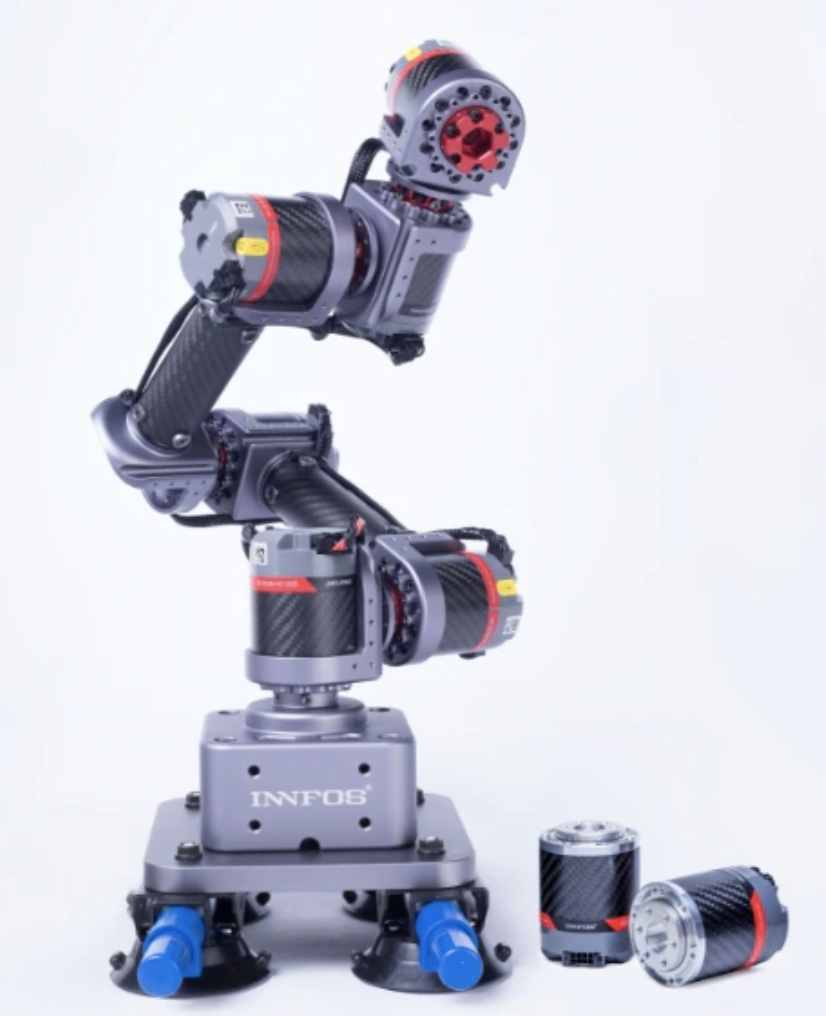
The blog post on TechnologyX2 details a project for remotely controlling a 4DOF (Four Degrees of Freedom) Arduino robot arm using hand gestures. The control is achieved through an Inertial Measurement Unit (IMU) sensor which captures the hand's motion in x, y, z axes and transmits the movements to the robot arm over Bluetooth. Key components include a Lafvin Arduino Nano clone, HiLetgo HC-05 Bluetooth Master Module, HC-06 Bluetooth Slave Module, and a GY-521 MPU6050 3-Axis Accelerometer Gyro Module. The project emphasizes the importance of problem-solving in engineering, and the author shares insights and troubleshooting tips based on their experience in configuring and testing these components. For more details, you can read the full article [here](https://www.technologyx2.com/blog_hightech/2021/5/23/project-remotely-control-arduino-robot-arm-using-imu-sensor-over-bluetooth).



The blog post on TechnologyX2 details the progress of the Spitfire EV Project, focusing on the completion of the major body restoration phase. The author describes the meticulous process of removing layers of old paint, repairing dents, and applying a protective epoxy primer/sealer to the bare metal. This phase sets the stage for future work on the car's electronics and internals. The post emphasizes the importance of taking time in restoration to learn and acquire skills, along with the enjoyment of sourcing original replacement parts. The next steps include focusing on the car's electrical system and integrating both digital and classic elements into the design.
For more detailed information, you can read the full blog post [here](https://www.technologyx2.com/blog_hightech/2019/10/8/spitfire-ev-project-ending-the-major-restoration-phase).